
Training · 2 min read
Strong, not skinny
For generations, women were sold smaller as the goal. The science points somewhere else entirely: toward muscle, strength and eating enough to build them.
By PERFORME · October 26, 2026
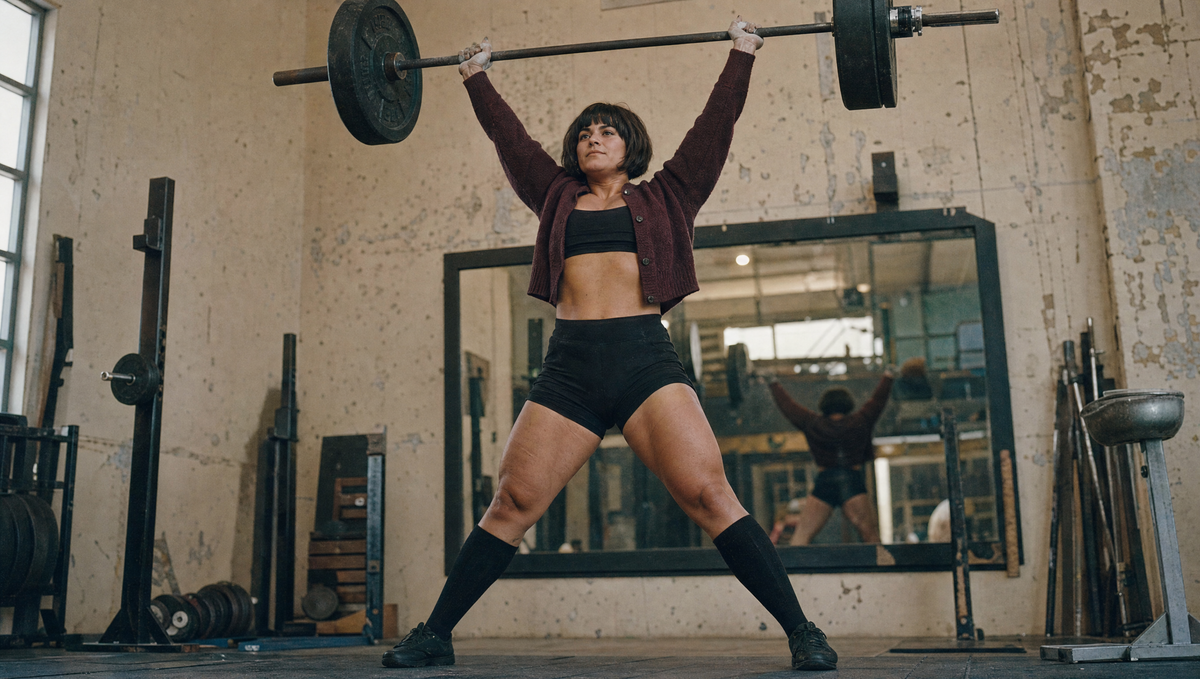
For most of our lives, the message has been the same: take up less space. Eat less, weigh less, shrink. Entire industries were built on it. And for generations of women, "fitness" meant one thing: getting smaller.
We think the goal was wrong. Not because how you look doesn't matter to you, but because the research on what actually makes women healthy, capable and resilient points somewhere else entirely. It points to strength.
Smaller was never the same as healthier
The scale can't tell the difference between muscle, fat, water and bone. Chasing a lower number often means losing the very tissues that protect you: muscle that keeps your metabolism and blood sugar steady, and bone that keeps you upright decades from now.
Chronic under-eating comes with its own costs. Sports scientists describe a condition called low energy availability, when you're not eating enough to support both your activity and your body's basic functions. It can disrupt your menstrual cycle, weaken bones, drain your mood and stall your progress. It's common in women who exercise, not just elite athletes.
What strength gives you
- A steadier metabolism. Skeletal muscle is the main place your body stores and uses glucose after a meal. More muscle helps keep blood sugar in check.
- Stronger bones. Bone responds to load. Lifting is one of the most effective ways to build and protect bone density, especially before and after menopause.
- A better mood. A 2018 meta-analysis of randomized trials found resistance training significantly reduced symptoms of depression, regardless of whether people got noticeably stronger.
- Independence later. Strength predicts how well you'll move, recover and live on your own in your 70s and 80s.
- Confidence. Ask any woman who's hit a new personal best. Strength changes how you carry yourself, in and out of the gym.
We want to be strong, not skinny. Strong lasts.
Changing what you measure
If smaller isn't the goal, the scale isn't the scoreboard. Try tracking what strength actually looks like:
- The weight on the bar, and how many reps you can do with it
- How you sleep, and how quickly you recover
- Your energy at 3 p.m.
- Carrying all the groceries in one trip, or lifting your kid without thinking about it
- How your clothes fit, rather than what size they are
Eat to build, not to shrink
Strength takes fuel. That means eating enough overall, and making protein a priority. Many sports-nutrition experts recommend that active people eat more protein than the standard minimum guidelines, spread across the day rather than saved for dinner. Carbohydrates fuel training. Fats support hormones. None of them are the enemy.
How to start
- Lift two or three times a week. Squats, deadlifts or hip hinges, presses, rows and carries cover most of what you need.
- Add a little each week. One more rep, or a slightly heavier weight. That's progressive overload, and it's how strength is built.
- Rest. Muscles grow between sessions, not during them.
- Be patient. Strength builds over months and years. That's the point. It's built to last.
You don't owe anyone a smaller version of yourself. Build the strongest one.
Sources
- Gordon BR et al. (2018). Association of Efficacy of Resistance Exercise Training With Depressive Symptoms: Meta-analysis and Meta-regression Analysis of Randomized Clinical Trials. JAMA Psychiatry.
- Watson SL et al. (2018). High-Intensity Resistance and Impact Training Improves Bone Mineral Density and Physical Function in Postmenopausal Women With Osteopenia and Osteoporosis: The LIFTMOR Randomized Controlled Trial. J Bone Miner Res.
- Mountjoy M et al. (2023). 2023 International Olympic Committee's (IOC) consensus statement on Relative Energy Deficiency in Sport (REDs). British Journal of Sports Medicine.
- Jäger R et al. (2017). International Society of Sports Nutrition Position Stand: protein and exercise. Journal of the International Society of Sports Nutrition.
This article is for general information only and isn't medical advice. Talk to your doctor before starting any new supplement, especially if you're pregnant, nursing or taking medication.
Founding list · Now open
Get the next article first.
New research notes, plus first access when the Morning Pack launches.


