
Focus · 2 min read
Why so many women are burnt out right now
It's not a personal failing and it's not just a busy week. Burnout is a recognized response to chronic stress, and women are carrying more of the load. What's driving it, and what actually helps.
By PERFORME · October 26, 2026
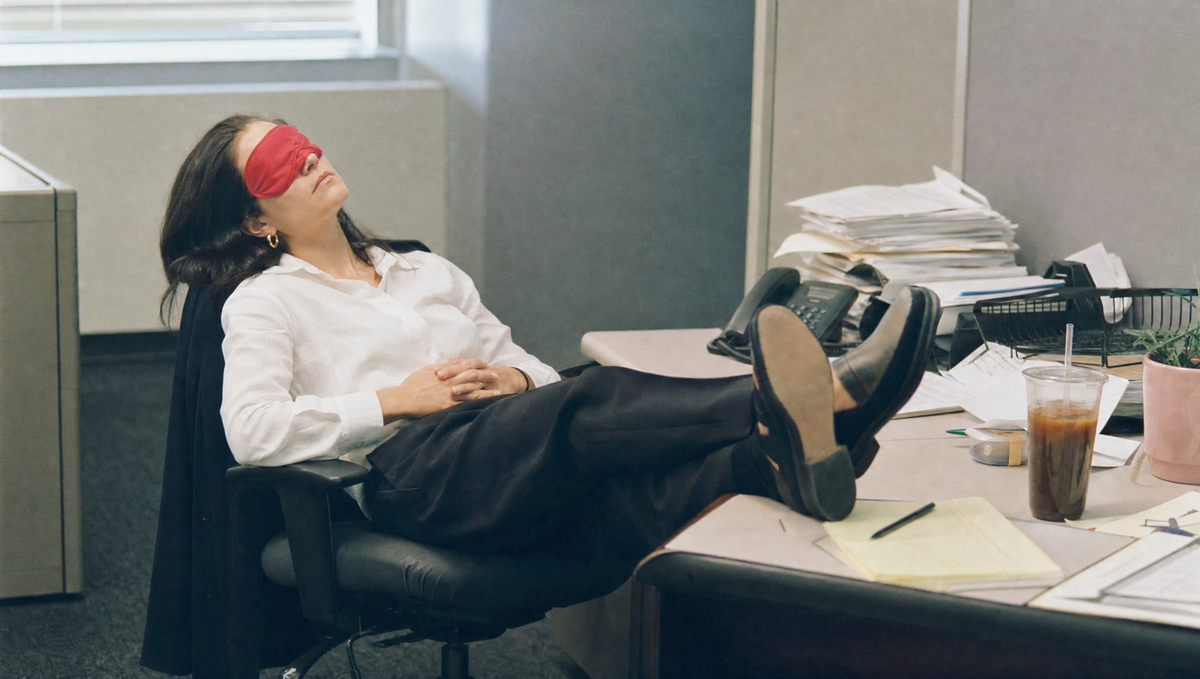
If you feel tired in a way sleep doesn't fix, you're not imagining it, and you're far from alone. Year after year, workplace surveys find women report higher levels of burnout than men. The reasons aren't mysterious. They're structural, and they're cumulative.
What burnout actually is
In 2019, the World Health Organization recognized burnout in its international classification of diseases as an occupational phenomenon: the result of chronic workplace stress that hasn't been successfully managed. It has three hallmarks:
- Exhaustion, or feeling depleted of energy
- Mental distance from your work, or feeling cynical about it
- A drop in how effective you feel
It isn't a medical diagnosis in itself, and it can overlap with depression, anxiety, thyroid issues and iron deficiency. If you've felt this way for weeks, a check-in with your doctor is worth it.
Why women, and why now
The second shift never ended
Women still do the majority of unpaid work at home: childcare, eldercare, housework. Many go from one full-time job to another without a break.
The mental load
Even when tasks are shared, women often carry the planning: remembering the appointments, noticing the empty fridge, tracking the permission slips. That invisible work keeps the brain on all day.
Always on
Phones and remote work blurred the edges of the workday. Without a clear off-switch, the stress response never fully resets.
Sleep, squeezed
When there's no time left, sleep is usually what goes. Short sleep makes everything harder: mood, focus, appetite, patience and resilience to stress.
Hormones in the mix
Perimenopause can start in your late 30s or 40s, often right when work and family demands peak. Disrupted sleep, brain fog and mood changes can look a lot like burnout, and the two often stack.
What actually helps
No supplement fixes a structural problem, and burnout isn't solved by doing more self-care on top of everything else. But there are levers that genuinely change how resilient your body and brain are:
- Protect sleep like an appointment. Consistent timing matters as much as total hours.
- Lift something. Strength training is one of the most reliable tools for mood, sleep and stress resilience. It doesn't need to be long.
- Eat enough, early. Running on coffee until lunch keeps your stress system in overdrive. Protein and a proper breakfast help stabilize energy.
- Drink water before caffeine. Even mild dehydration affects mood and concentration.
- Name the load. Writing down the invisible tasks you carry makes it easier to share or drop them.
- Get outside. Morning daylight helps anchor your body clock, which improves sleep later.
You're not failing at keeping up. You're keeping up with too much.
The bigger picture
Burnout is a signal, not a weakness. The goal isn't to become a person who can absorb unlimited stress. It's to build a body and a routine that give you more capacity, and to protect that capacity from the things that drain it.
If you're struggling with low mood, anxiety or thoughts of self-harm, please reach out to your doctor or a local crisis line.
Sources
- World Health Organization (2019). Burn-out an "occupational phenomenon": International Classification of Diseases.
- McKinsey & Company and LeanIn.Org. Women in the Workplace (annual report).
- Gordon BR et al. (2018). Association of Efficacy of Resistance Exercise Training With Depressive Symptoms: Meta-analysis and Meta-regression Analysis of Randomized Clinical Trials. JAMA Psychiatry.
- Armstrong LE et al. (2012). Mild dehydration affects mood in healthy young women. The Journal of Nutrition.
This article is for general information only and isn't medical advice. Talk to your doctor before starting any new supplement, especially if you're pregnant, nursing or taking medication.
Founding list · Now open
Get the next article first.
New research notes, plus first access when the Morning Pack launches.


