
Training · 2 min read
Muscle is a longevity organ. Women should treat it like one.
Strength isn't vanity. For women, muscle and bone are among the strongest predictors of how well you'll live in your 60s, 70s and beyond. And the window to build them is now.
By PERFORME · October 26, 2026
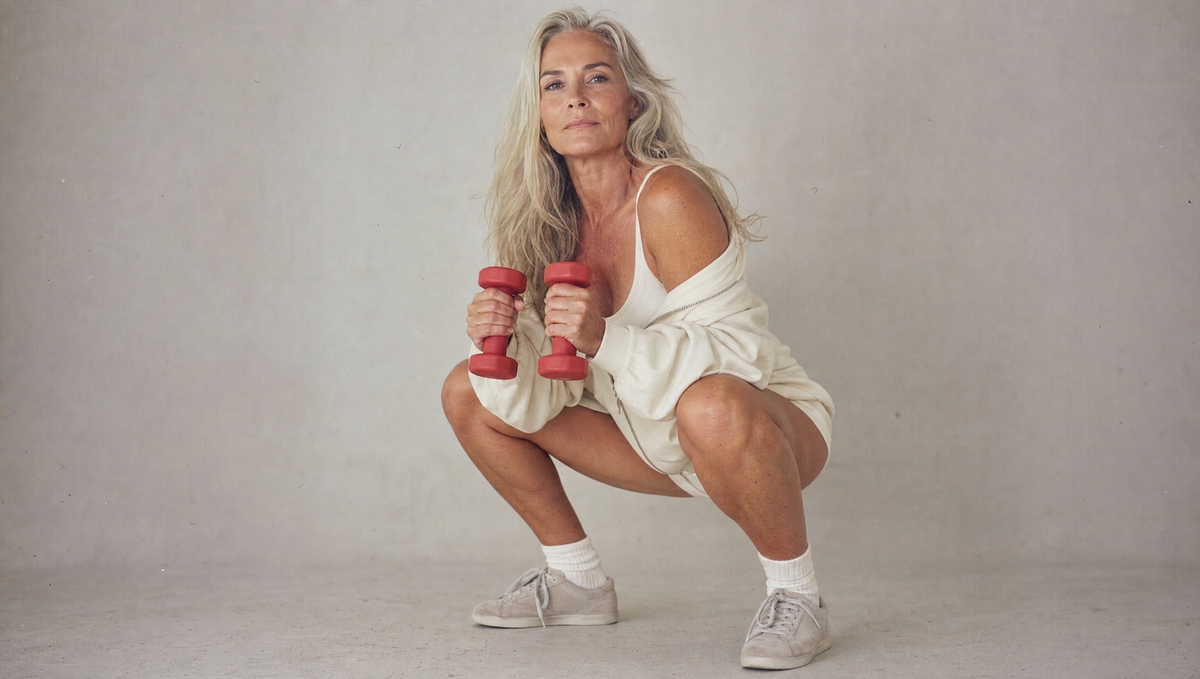
For decades, women were told to do cardio and keep the weights light. The research has moved on. Muscle isn't just for looking toned. It's metabolic tissue, a reserve for illness and injury, and one of the best predictors of independence later in life.
What happens to muscle with age
From about your 30s, muscle mass starts to decline if you don't actively maintain it, with estimates of around 3 to 8% per decade, accelerating after 60. Strength drops even faster than size. This loss, called sarcopenia, affects balance, blood-sugar control, energy and the ability to recover from illness.
Why women face a steeper slope
Women start with less muscle and less bone than men, and then go through menopause. As estrogen falls, bone loss speeds up sharply: women can lose a significant share of their bone density in the first five to seven years after menopause. Muscle loss tends to accelerate too.
That's why osteoporosis and fractures affect women far more than men. And it's why the years before menopause are such an important window to build a reserve.
The good news: muscle and bone respond to load
Muscle and bone adapt to what you ask of them, at any age. The LIFTMOR trial put this to the test in postmenopausal women with low bone mass. Instead of light exercise, participants did supervised, heavy, progressive lifting: deadlifts, squats and overhead presses, twice a week. After eight months they had improved bone density at the spine and hip, and better strength and function, with no increase in injuries compared to the control group.
The lesson isn't that every woman needs to deadlift heavy tomorrow. It's that women's bodies are far more capable than the old advice assumed, and that the stimulus has to be meaningful to work.
Strength as a vital sign
Large studies have found that grip strength, a simple proxy for overall strength, is linked to lower risk of heart disease and death from any cause, independent of other factors. Strength isn't a cosmetic metric. It's a health metric.
How to start building your reserve
- Lift two to three times a week. Cover the big patterns: squat, hinge, push, pull and carry.
- Make it progressively harder. Add weight, reps or sets over time. Muscle and bone respond to challenge, not repetition.
- Eat enough protein. Spread it across the day, with a solid serving at each meal.
- Add impact. Jumping, skipping and stair-running load bone in ways walking doesn't, if your joints allow it.
- Get coached. A good coach makes heavier training safer, especially when you're starting out.
The strongest version of you at 70 is built in the decades before.
Sources
- Cruz-Jentoft AJ et al. (2019). Sarcopenia: revised European consensus on definition and diagnosis. Age and Ageing.
- Watson SL et al. (2018). High-Intensity Resistance and Impact Training Improves Bone Mineral Density and Physical Function in Postmenopausal Women With Osteopenia and Osteoporosis: The LIFTMOR Randomized Controlled Trial. J Bone Miner Res.
- Leong DP et al. (2015). Prognostic value of grip strength: findings from the Prospective Urban Rural Epidemiology (PURE) study. The Lancet.
This article is for general information only and isn't medical advice. Talk to your doctor before starting any new supplement, especially if you're pregnant, nursing or taking medication.
Founding list · Now open
Get the next article first.
New research notes, plus first access when the Morning Pack launches.


